
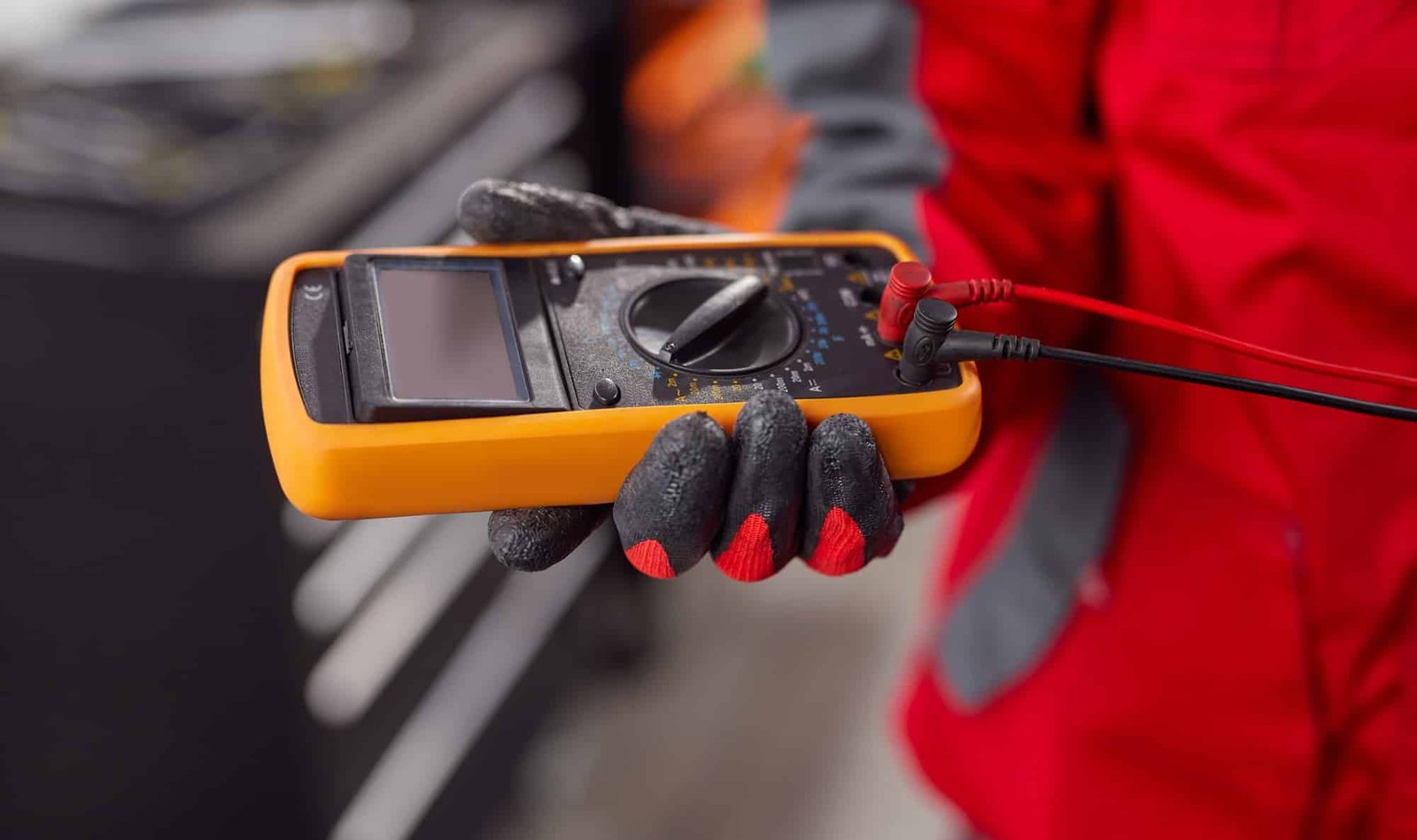
🔋 Single-Cell Battery Voltages by Chemistry
| Chemistry | Nominal Voltage | Fully Charged | Fully Discharged |
|---|---|---|---|
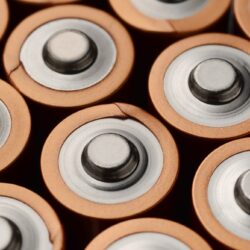
| Alkaline (e.g., AA) | 1.5 V | 1.5 V | ~0.9 V |
| Zinc–Carbon | 1.5 V | 1.5 V | ~0.9 V |
| Nickel-Cadmium (NiCd) | 1.2 V | ~1.4 V | ~1.0 V |
| Nickel-Metal Hydride (NiMH) | 1.2 V | ~1.4 V | ~1.0 V |
| Lithium-Ion (Li-ion) | 3.6 or 3.7 V | 4.2 V | ~3.0 V |
| LiFePO₄ (Lithium Iron Phosphate) | 3.2 V | 3.6 V | ~2.5 V |
| Lithium Primary (e.g., CR2032 coin cell) | 3.0 V | 3.0 V | ~2.0 V |
| Lead-Acid (single cell) | 2.0 V | 2.1 V | ~1.75 V |
| Zinc–Air | 1.4 V | 1.4 V | ~1.1 V |
| Silver-Oxide (watch battery) | 1.55 V | 1.55 V | ~1.2 V |
🔋 Common Multi-Cell Battery Pack Voltages
These come from combining individual cells in series:
- 3.0 V – CR123 or two 1.5 V alkalines
- 4.8 V – 4 NiMH/NiCd cells
- 6.0 V – 4 alkaline cells or 3 LiFePO₄
- 7.2 V – 6 NiMH/NiCd or 2 Li-ion cells (7.4 V)
- 9.0 V – Standard 9V battery (6 x 1.5 V cells)
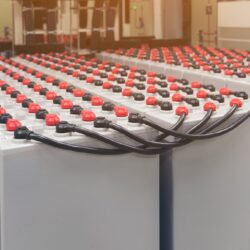
- 12.0 V – Lead-acid car battery (6 x 2 V)
- 14.4 V – 4-cell Li-ion
- 18.0 V – Power tools (usually 5 Li-ion cells)
- 24.0 V – Electric scooters or small systems
- 36.0 V / 48.0 V / 72.0 V – E-bikes and energy storage
- 96 V and higher – EVs and industrial systems
⚡️ Custom & High-Voltage Battery Systems
- Used in electric vehicles, grid storage, and renewable energy:
- 100V – 400V+: Electric vehicle traction batteries
- 400V – 800V: High-performance EVs (e.g., Porsche Taycan)
- 1000V+: Some solar inverters and large battery banks
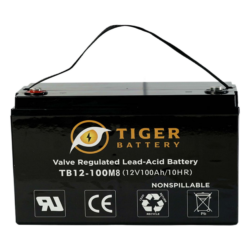
Need something specific or custom? Check out the Tiger Battery Battery Builder!
















 English
  Español de México
  Français du Canada
  Português do Brasil
  简体中文
简体中文